I almost hit him with my car.
In the dark of night, rolling in from making a delivery and I certainly wasn’t expecting anyone in our parking lot. Just at the last moment there was a figure of a man crouched with some equipment pointed towards the Eastern sky. What the heck?!
“ummm…hello?”
He was an older gentleman, diminutive in stature. Simultaneously apologizing and introducing himself.
“Hello, Sir, I am so very sorry, it is a very special moon tonight. My name is Amit and I wanted to capture it with my camera”.
His camera had a lens on it that was about half as long as he was tall.
“errr..ummm…well, ok” I was intrigued and his enthusiasm was infectious and all my grumpiness quickly subsided. “What is so special about tonight’s moon?”
“Ohhh, Sir…it is a Blood Red Moon and tonight we are going to have a lunar eclipse! 96 percent!! His eyes sparkling with enthusiasm. Then he became distracted with his equipment and while still trying to talk to me, he began fidgeting with dials and standing back to assess the overall angle of the shot.
The full moon was already rising, and he invited me to take a look. Remarkable. All these years, looking at the moon and to see it with such powerful magnification was transformative. Every little crook and cranny was visible. I felt like I could just walk on the surface.
I know farmers who aim to plant in sync with the lunar calendar, which I find interesting. The thinking, summarized via Google is as follows:
The Waxing Moon (New Moon to Full Moon): Traditional guides like The Old Farmer’s Almanac state that the moon’s gravitational pull draws moisture to the soil’s surface during this phase. This extra moisture causes seeds to swell. This period is favored for planting above-ground crops, leafy greens, and grains.
The Waning Moon (Full Moon to New Moon): As moonlight decreases and the gravitational pull is believed to shift downward, energy is thought to channel into the soil. Farmers use this phase to plant root crops (like carrots and potatoes) and bulbs, as it is believed to favor underground development. [1, 2, 3]
The New & Dark Moon: This final phase is typically reserved for garden maintenance, such as weeding, harvesting, and soil cultivation, rather than planting
Amit was narrating in the background as I gazed through the lens. “This will be a most exceptional viewing. I was hoping for less cloud, but we should still get a good view.”
“What makes the moon red?” I wanted to know. Well, apparently, the moon itself doesn’t change color, but it is how the light that reflects off it from the sun is then refracted by our atmosphere. This is what gives it the appearance.
We stood together in the dark. Amit and I. All the daily details that typically fill my head were eclipsed by this spectacular celestial event. Not only did we capture the moment, but his passion for the wonders of the night sky, also captured my imagination.
Thank you, Amit. You are welcome on the farm anytime.
This Week’s Field Notes: We are starting to see some field tomatoes at last, which is exciting. We are also offering adult sized Norland potatoes (red skin, white flesh. The all grown up version of the little ones we have been offering these past few weeks. It has been a challenging season all round. We have to say goodbye to the summer fruits but hoping we will soon be able to include melons, which will be fun.
Enjoy -)
~Michael
What’s In Your Share This Week
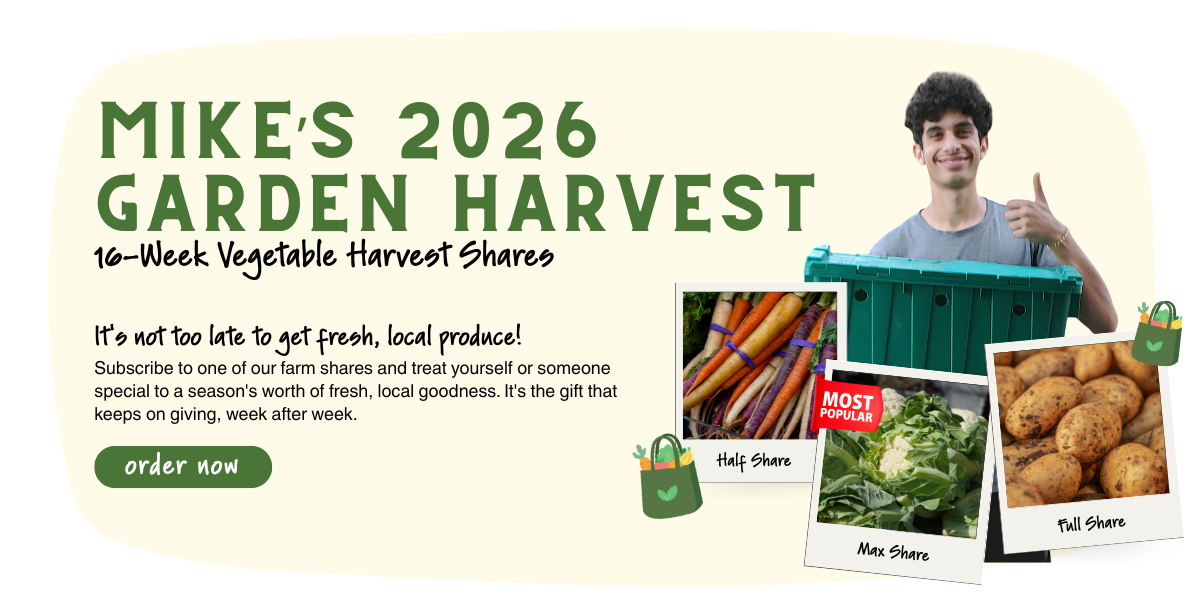
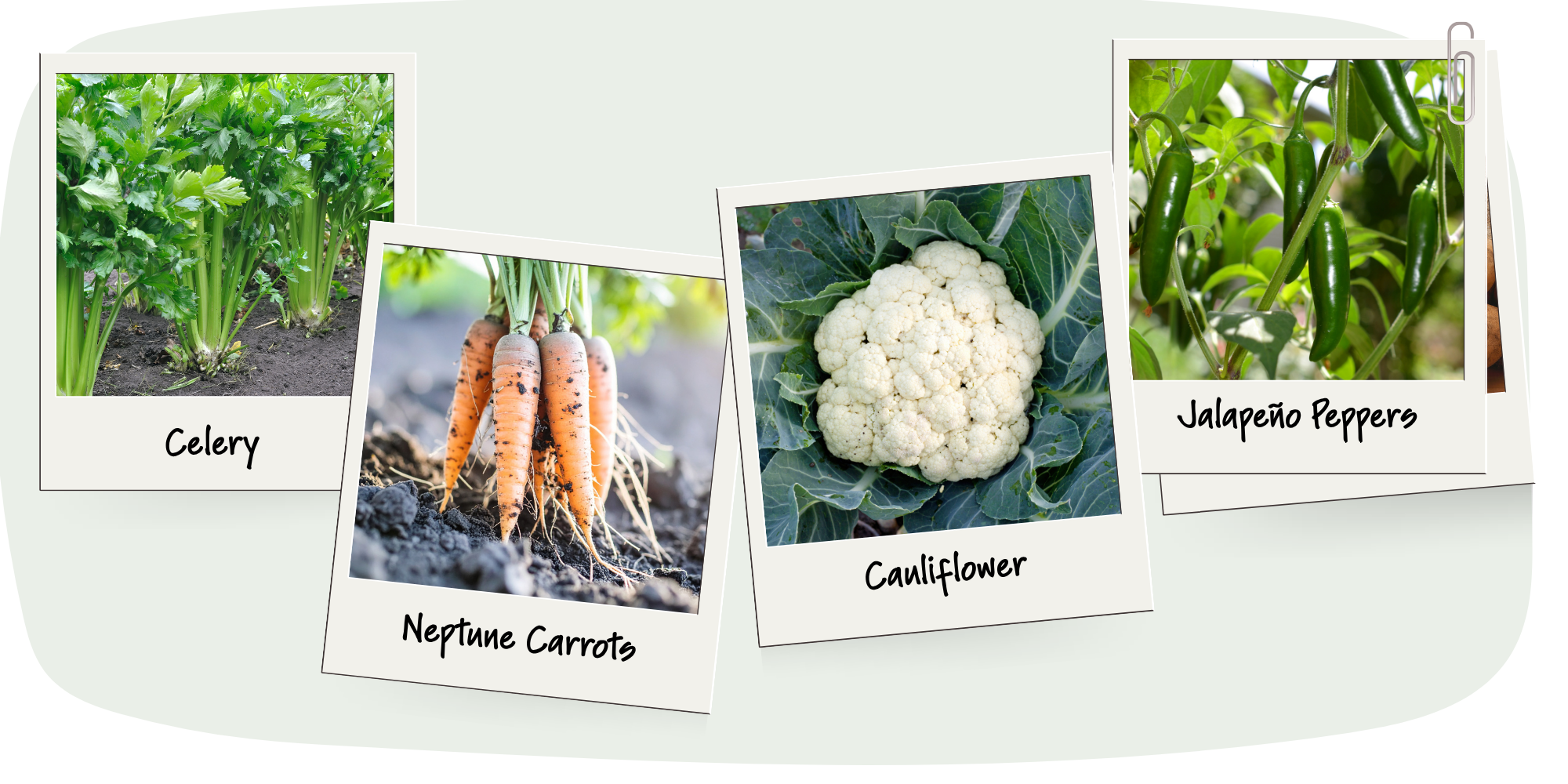
Here’s a peek at what’s available in this week’s lineup:
- Genovese Basil
- Beets
- Bunching Onions
- Neptune Carrots
- Cauliflower
- Celery
- Raider Cucumbers
- Lebanese Cucumbers
- Green Beans
- Prizm Kale
- Kohlrabi
- Romaine Lettuce
- White Button Mushrooms
- Hot Mix Peppers
- Jalapeño Peppers
- Baby Norland Potatoes
- Sweet Corn
- Cherry Tomatoes
- Green Zucchini
- Blueberries
- Strawberries
- Chives
- Cilantro
- Curly Leaf Parsley
- Mint
Recipe of the Week
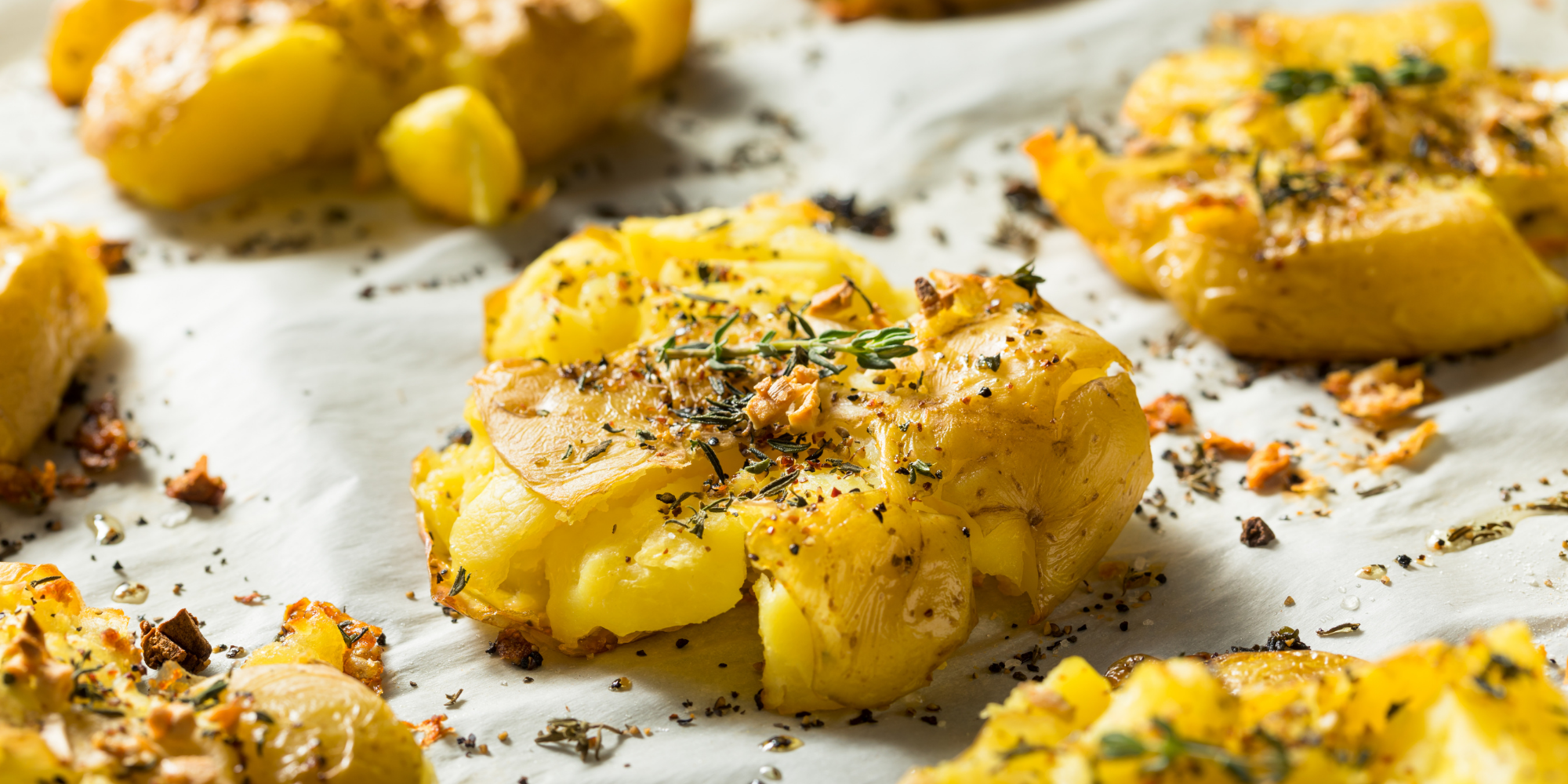
Crispy Smashed Potatoes with Garlic & Herbs
A perfect way to celebrate the return of adult Norland potatoes. This recipe delivers crispy, golden edges with a fluffy, creamy interior—and it’s endlessly adaptable to whatever herbs you have on hand (chives, parsley, rosemary or basil).
- 1.5lbs baby or adult Norland potatoes
- 3 tbsp olive oil
- 3 cloves garlic, minced
- 1 tbsp fresh chives or parsley, chopped
- ½ tsp salt (or to taste)
- ¼ tsp pepper (or to taste)
- Boil the potatoes: Place potatoes in a large pot and cover with cold, salted water. Bring to a boil and cook until fork-tender, about 15-20 minutes (depending on size). Drain well and let cool slightly.
- Preheat the oven: Preheat your oven to 425°F. Drizzle 2 tablespoons of olive oil onto a baking sheet and spread it around.
- Smash the potatoes: Place the boiled potatoes on the prepared baking sheet. Using the bottom of a glass or a potato masher, gently press down on each potato until it flattens and cracks but holds together.
- Season & roast: Drizzle the remaining olive oil over the smashed potatoes. Sprinkle with salt, pepper, and minced garlic. Roast for 20-25 minutes, or until the edges are golden and crispy.
- Finish & serve: Transfer to a serving plate and sprinkle with fresh chives or parsley. Serve immediately.

🍅 Spotlight on… Tomatoes & Potatoes
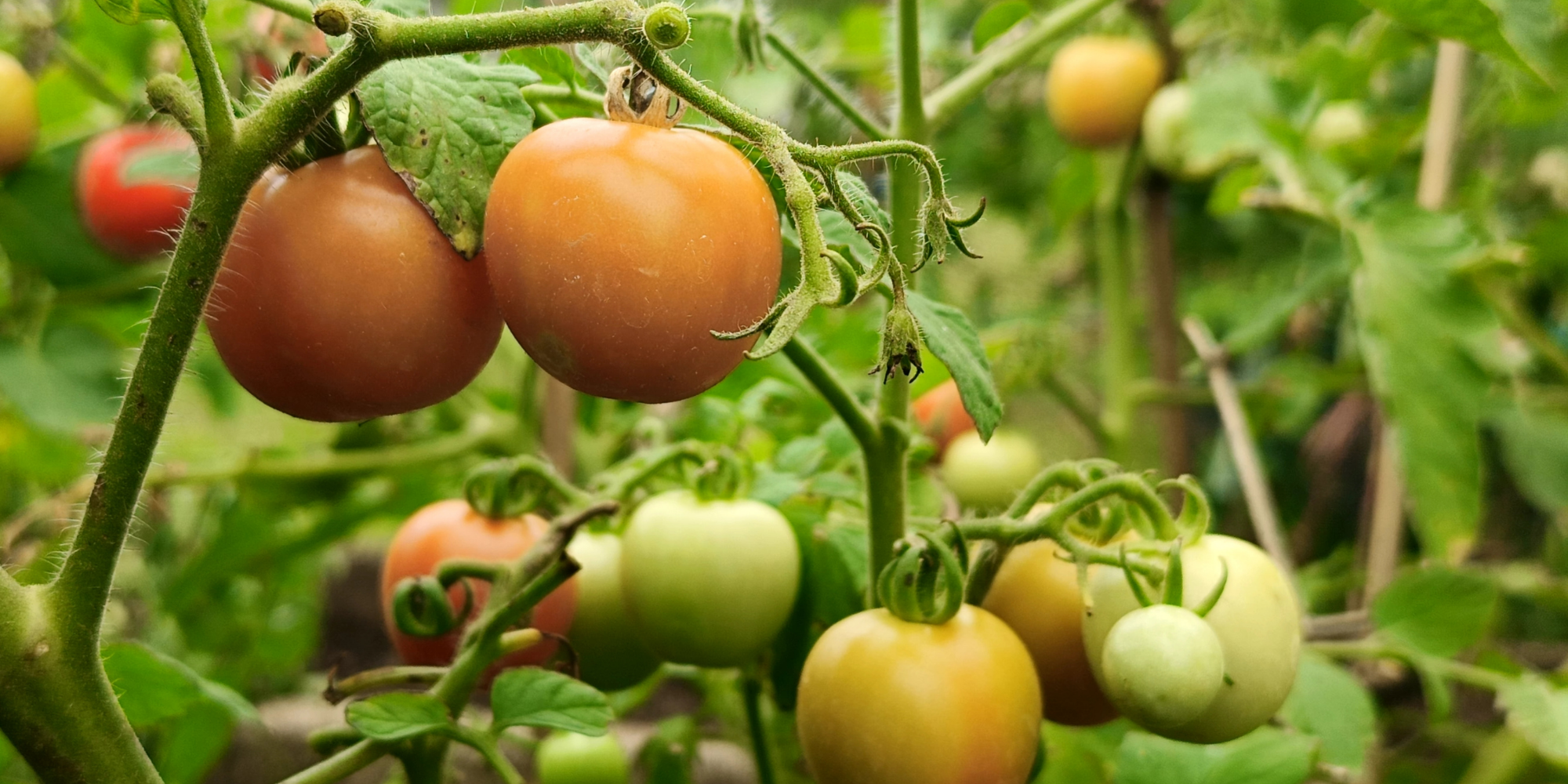
A fruit or a vegetable? Botanically, tomatoes are fruits (berries, actually!). But in 1893, the U.S. Supreme Court ruled them a vegetable for tariff purposes. So, you can call them either!
Colour matters: Most tomatoes start out green and change colour as they ripen. The deep red colour comes from a plant compound called lycopene, which becomes more available to our bodies when tomatoes are cooked.
Don’t refrigerate them! Cold temperatures dull the flavour and make the texture mealy. Store ripe tomatoes at room temperature, out of direct sunlight, and use them within a few days.
Let them ripen: If your tomatoes are still a bit firm, leave them on the counter for a couple more days—they’ll continue to ripen off the vine.
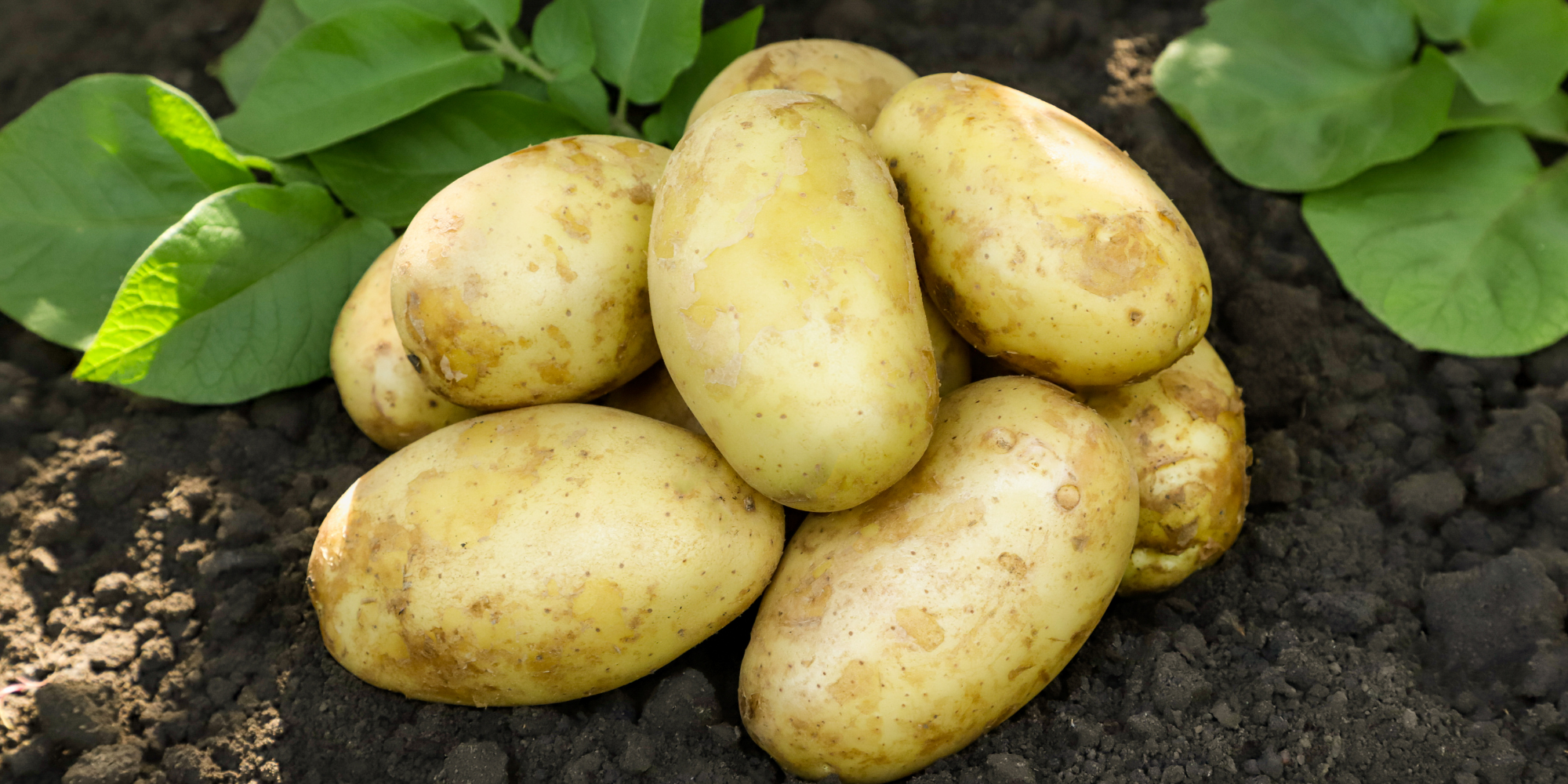
The humble spud: Potatoes were first domesticated in the Andes Mountains of South America over 7,000 years ago. They’re now the world’s fourth-largest food crop.
Red skin, white flesh: Norland potatoes are known for their thin, smooth red skin and creamy white flesh. They’re great for boiling, roasting, or mashing because they hold their shape well and have a buttery texture.
Store them in a cool, dark place: like a pantry or cellar—but not in the fridge. Cold temperatures convert the potato’s starches into sugars, which can affect flavour and texture.
Keep them away from onions! Both emit gases that can cause the other to sprout or spoil more quickly. Store them separately for longer life.
Don’t wash before storing. Washing potatoes removes their natural protective coating and invites moisture, which can lead to rot. Wash them just before cooking.