💚 You Never Know the Impact You’re Making
Back when I was delivering overnight, one of my drops was just off Heron. A narrow residential street that was home to two large triplexes. They were positioned a healthy distance from the road, and they were too close together to run my truck into the small parking lot that was behind. So, I would park illegally on the narrow street and run their bag to the back of the building and then climb up the three flights of fire escape stairs till I go the top. There was no sign of life, but there was always an empty bag waiting for me.
The season rolled on and I had long forgotten about it when I got the following email.
“I’m actually in another country. Receiving the harvest every week was the best experiences I’ve had when I lived in Canada. Thank you so much. It means a lot. You have no idea how much joy you gave me through this, to a girl who was living heartbroken. The food was healing to me. Healed me enough to get out of a toxic relationship and take action to leave that place.”
These are the connections that are the source of my perseverance. This is why I believe so passionately in what we are doing. And when I say ‘we’, I mean all of us, together.
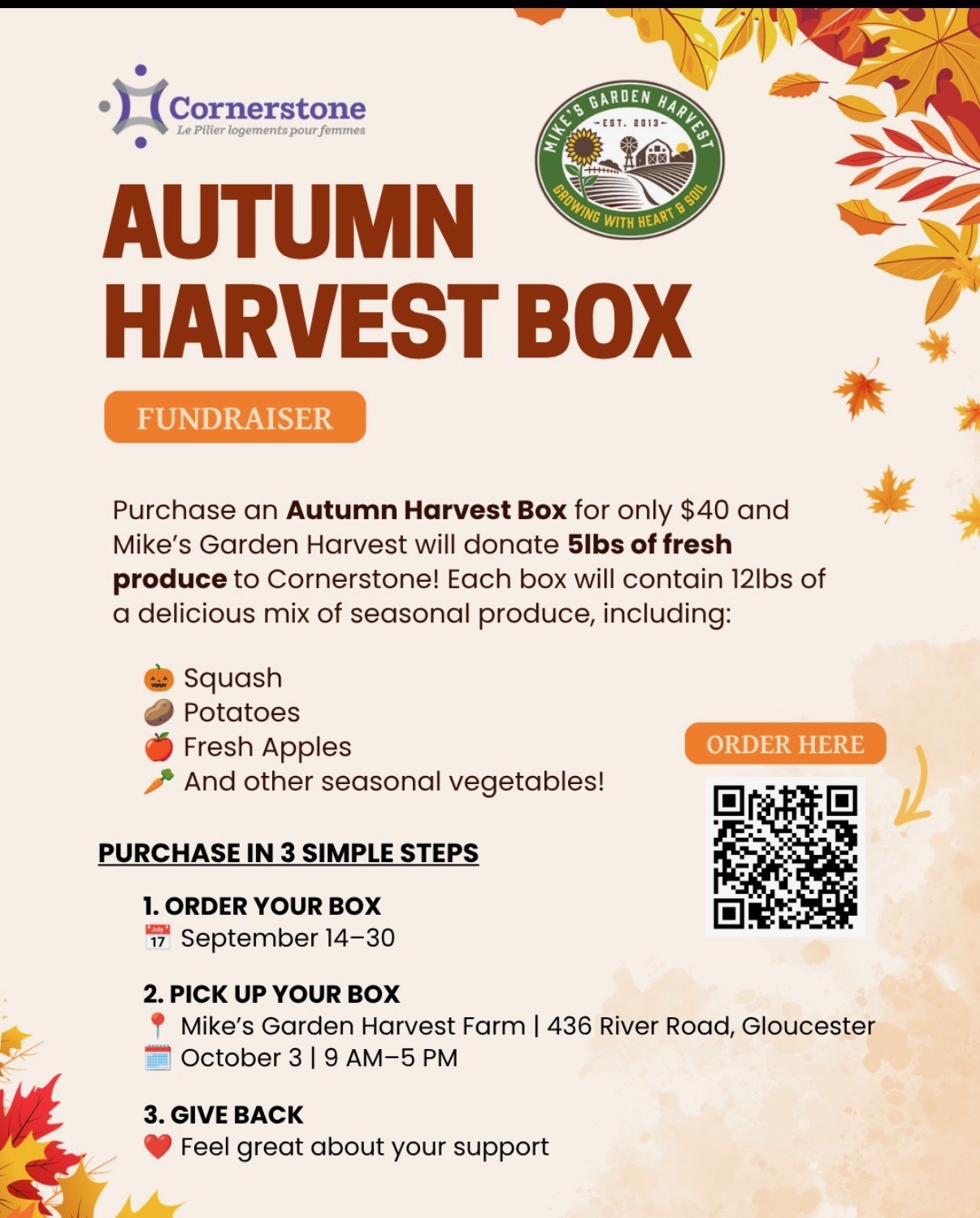
This spring I received another email. It was well written and in a very respectful way asked if we had any ‘extra’ would we consider donating it to their shelter. The author was a woman named Diana Pimenta, and she was writing on behalf of the Cornerstone Woman’s Shelter. Her theme was ‘better shared than tossed’. She had done her homework. She knew we were busy in season and all we had to do was reach out if we had something for them and they would come right away and pick it up. Great.
Over the summer, the connection between the farm and Cornerstone has strengthened. They have been cheerful, well organized and always very grateful. I am still haunted by the email that received years ago and can’t help but think that these are my sisters, and they really need us right now. They are healing from the evil that lurked just behind that front door.
Thanksgiving is a highlight of our season to be sure. I have always said it is the moral equivalent of what Valentines is to a florist. So much to be grateful for, even when it hasn’t been the best of growing seasons.
So here is the pitch for The Cornerstone’s Harvest Box:
$40 and we will build you a healthy 12lb box of vegetables and then the farm will turn around and donate another 5lbs of vegetables to the shelter. If you like, you can ask for the whole box to be donated, and the farm will still add another 5lbs to it.
Revenue for the farm, fresh eyes seeing us for the first time and healthy vegetables all round. All the details and easy to follow instructions can be found here. A special thanks to Fil, Sarah and the rest of the team at Marketing Blendz who worked hard making sure the experience for you was a positive one.
Please consider this opportunity and share with others who just might want a taste of what comes from our field and the farms near at hand. We have a maximum of 496 of these, but honestly, if we could work together to reach 150 over the weekend that would be, well, incredible. The farm pick up date is October 3rd and we are only taking orders up until September 30th.
Never would I have imagined any of this when I first put a shovel in the ground 14 years ago. I am so very thankful for all of it.
~Michael
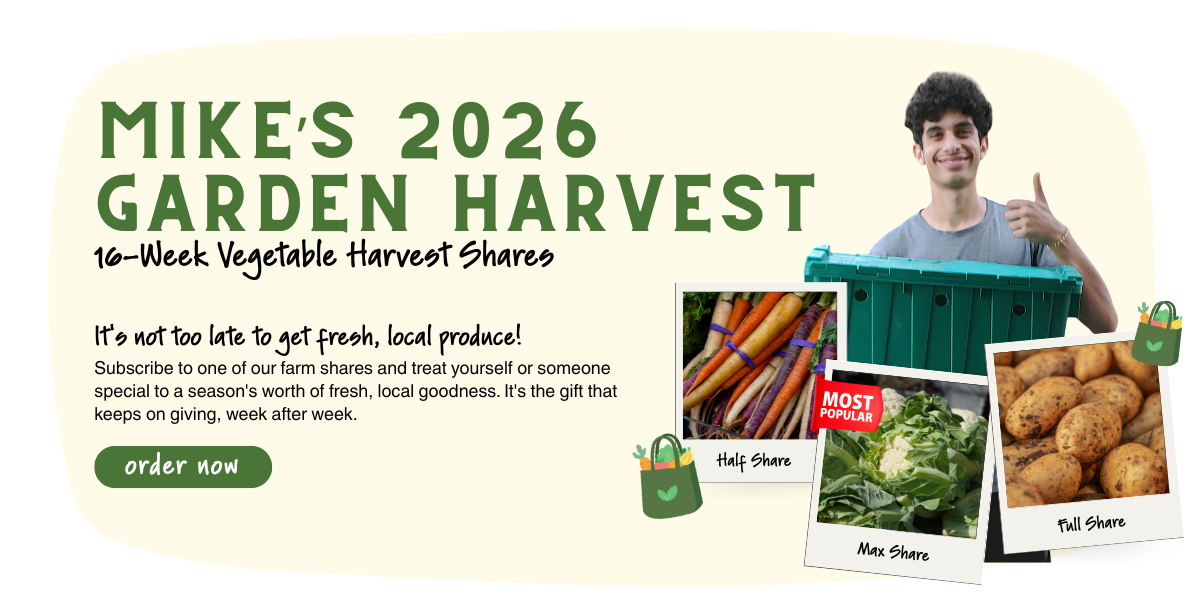
What’s In Your Share This Week
The season is winding down, but the harvest is still going strong! Here’s what’s available this week:
- Lobo Apples
- Beets
- Bunching Onions
- Green Cabbage
- Neptune Carrots
- Cauliflower
- Celeriac
- Celery
- Chives
- Cilantro
- Lebanese Cucumbers
- Curly Leaf Parsley
- Black King Eggplant
- Prizm Kale
- Romaine Lettuce
- Mint
- White Button Mushrooms
- Yellow Onions
- Green Bell Peppers
- Hot Mix Peppers
- Jalapeño Peppers
- Red Bell Peppers
- Radicchio
- Purple Top Turnips
- Green Zucchini
Recipe of the Week
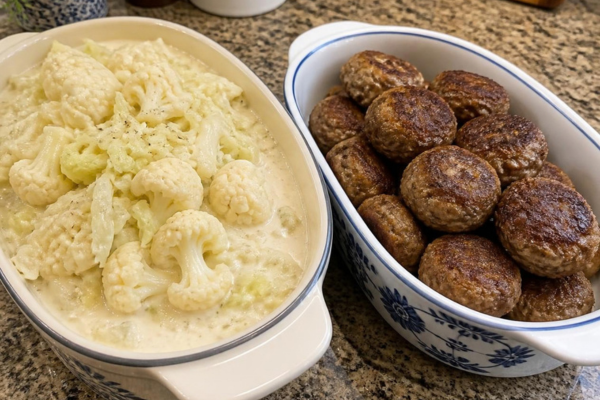
Creamed Cabbage, Cauliflower & Root Vegetables
This is pure comfort food—the kind that warms you from the inside out as the temperature drops. Inspired by the traditional Danish side served alongside frikadeller (meatballs), this creamy, hearty dish transforms simple root vegetables and cabbage into something rich, satisfying, and utterly delicious.
Traditionally, this white sauce is served with just cauliflower or cabbage. But it pairs beautifully with root vegetables too—so feel free to use just one vegetable in the recipe, or a combination of whatever you have on hand.
Enjoy this as a satisfying side on its own, or go the traditional Danish route—scroll down for our frikadeller recipe and serve the meatballs alongside for a comforting meal that’ll stick to your ribs.
Ingredients:
-
½ head green cabbage, cored and roughly chopped
-
½ head cauliflower, cut into small florets
-
1 celeriac (celery root), peeled and cut into ½-inch cubes
-
2 parsnips, peeled and sliced into ½-inch rounds
-
3 tbsp butter
-
3 tbsp all-purpose flour
-
2 cups whole milk (or a mix of milk and cream for extra richness)
-
1 cup chicken broth (or replace with 1 tbsp liquid chicken bouillon or dry chicken stock powder mixed with 1 cup water)
-
½ tsp salt (or to taste)
-
¼ tsp white pepper (or black pepper)
-
½ tsp garlic powder
-
½ tsp onion powder
-
½ tsp paprika
-
Fresh chives or parsley, chopped, for garnish
Instructions:
- Prep the vegetables: Bring a large pot of salted water to a boil. Add the celeriac and parsnips and cook for 8–10 minutes until slightly tender. Add the cauliflower and cabbage and cook for another 5–7 minutes, until all the vegetables are fork-tender but not mushy. Drain well and set aside.
- Make the roux: In a large saucepan or Dutch oven, melt the butter over medium heat. Whisk in the flour and cook for 1–2 minutes, stirring constantly, until the mixture is bubbly and golden. Season the roux with salt, pepper, garlic powder, onion powder, and paprika, stirring to combine.
- Add the liquid: Gradually whisk in the milk and broth (or bouillon mixture), a little at a time, to avoid lumps. Continue whisking until the sauce is smooth and has thickened enough to coat the back of a spoon, about 5–7 minutes.
- Season: Taste and adjust the seasoning.
- Combine: Gently fold the drained vegetables into the creamy sauce. Stir to coat everything evenly. Let it simmer on low heat for 5 minutes to allow the flavours to meld. If the sauce seems too thick, add a splash more milk or broth.
- Serve: Transfer to a serving dish and garnish generously with fresh chives or parsley.
Storage: Leftovers keep well in the fridge for 3–4 days. Reheat gently on the stovetop or in the microwave, adding a splash of milk if needed to loosen the sauce
Danish Frikadeller (Meatballs)
Ingredients:
-
1 lb (500 g) ground pork
-
½ cup (120 ml) milk
-
⅓ cup (35 g) rolled oats or all-purpose flour (plus 2 extra tablespoons if needed)
-
1 large egg
-
¼ cup finely grated or minced onion
-
1 tsp salt
-
½ tsp black pepper
-
2 tbsp butter (for frying)
- Make the mixture: In a large bowl, combine the ground pork, milk, oats (or flour), egg, onion, salt, and pepper. Mix well with your hands until everything is evenly incorporated. The mixture should be soft but hold together. If it feels too wet, add the extra oats or flour a tablespoon at a time until it reaches the right consistency.
- Form the meatballs: Using two soup spoons, form the mixture into oval-shaped meatballs (the traditional way). For a quicker method, simply scoop the mixture with a spoon, or use an ice cream scoop for consistent sizes.
- Fry: Heat the butter in a large skillet over medium heat. Working in batches, add the meatballs and cook until browned on both sides, about 3–4 minutes per side.
- Finish in the oven: Transfer the browned meatballs to a baking sheet and bake at 325°F for 10–20 minutes, or until cooked through.
- Serve: Serve the meatballs alongside the creamed cabbage and root vegetables for a hearty, comforting Danish-inspired meal.
Feel free to add some extra flavours to your meatballs! Some versions include grated apple (for a little sweetness and moisture), garlic, all purpose seasoning and more!
Every family makes their own versions of this recipe! Some use only pork, others beef, and some will use a mix of pork, beef and veal. Dealer’s choice and they all taste amazing.

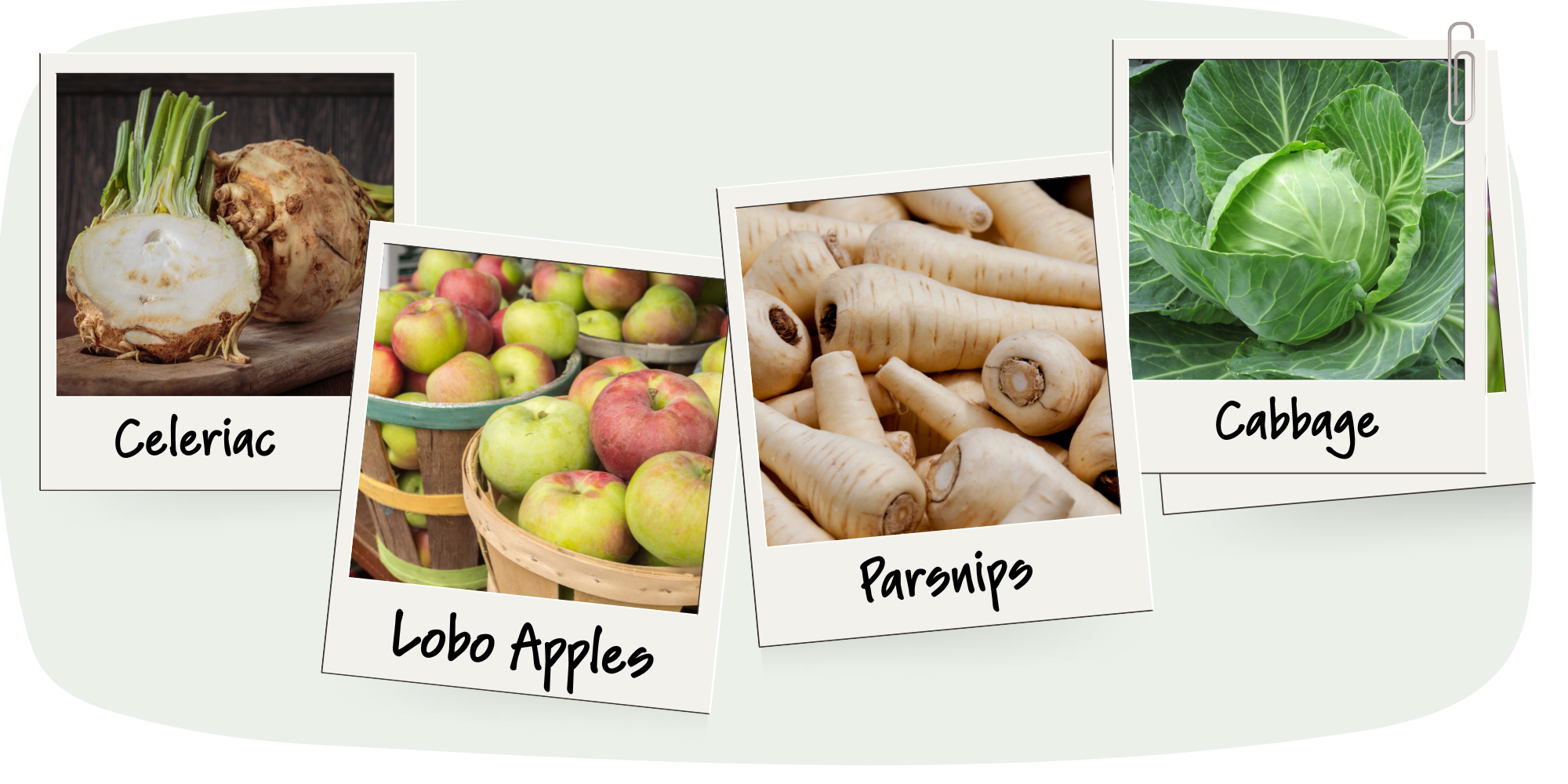
🔍 Spotlight on… Parsnips, Cabbage & Celeriac
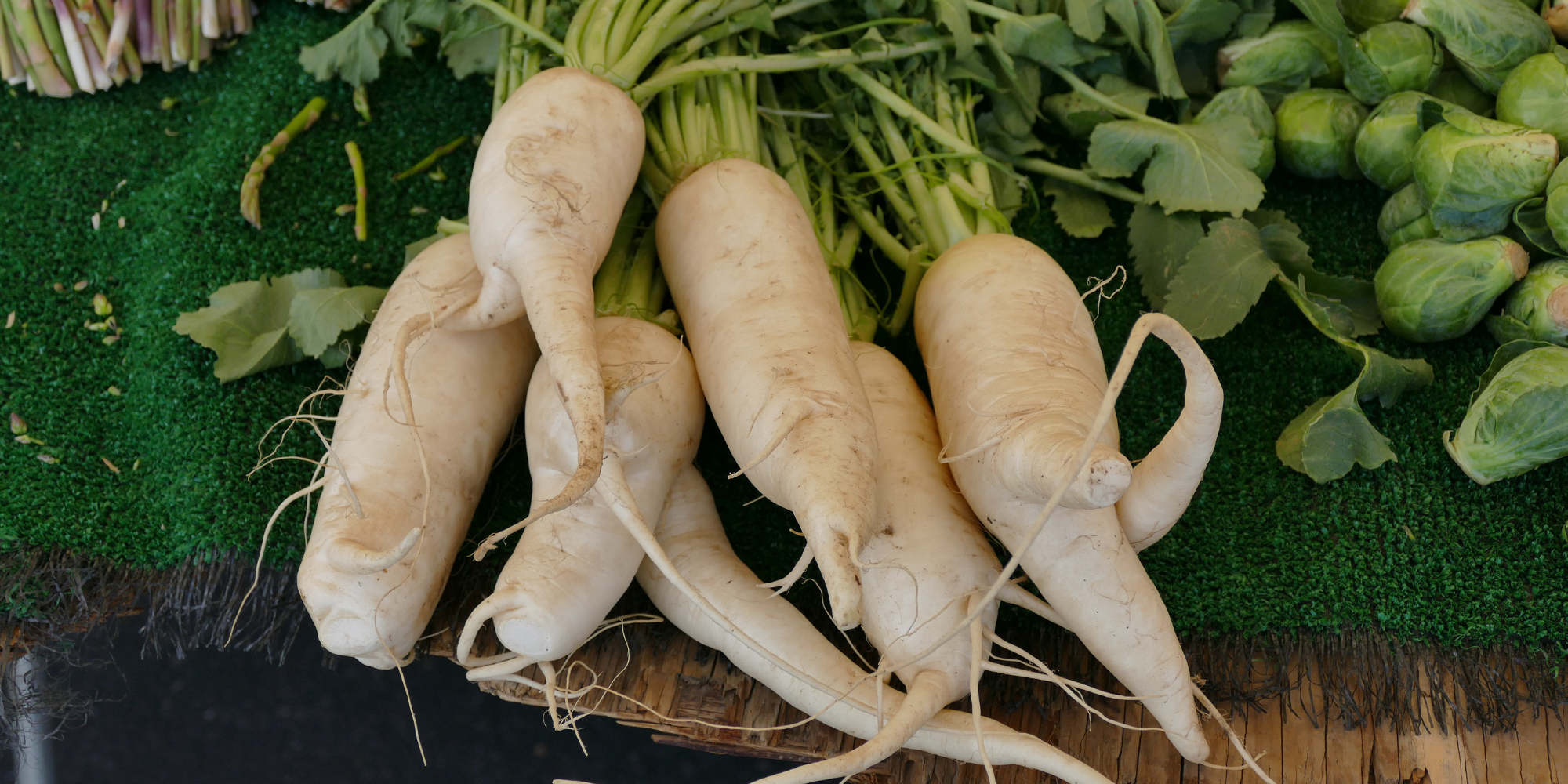
Parsnips look like pale carrots but are actually a completely different vegetable. They’re a root vegetable native to Europe and Asia and have been cultivated for thousands of years.
Before sugar became widely available, parsnips were used as a sweetener in cooking and baking. They become wonderfully sweet when roasted or boiled.
Parsnips are a great source of fibre, vitamin C, and folate.
Storage: Remove the greens (if attached) and store parsnips in a perforated plastic bag in the crisper drawer for up to two weeks.
Prep: Peel them before cooking—their skin can be tough. Larger parsnips may have a woody core; simply cut it out before cooking.
Cooking: Roast, boil, mash, or add to soups and stews. They pair beautifully with carrots, potatoes, and fresh herbs like thyme and rosemary.
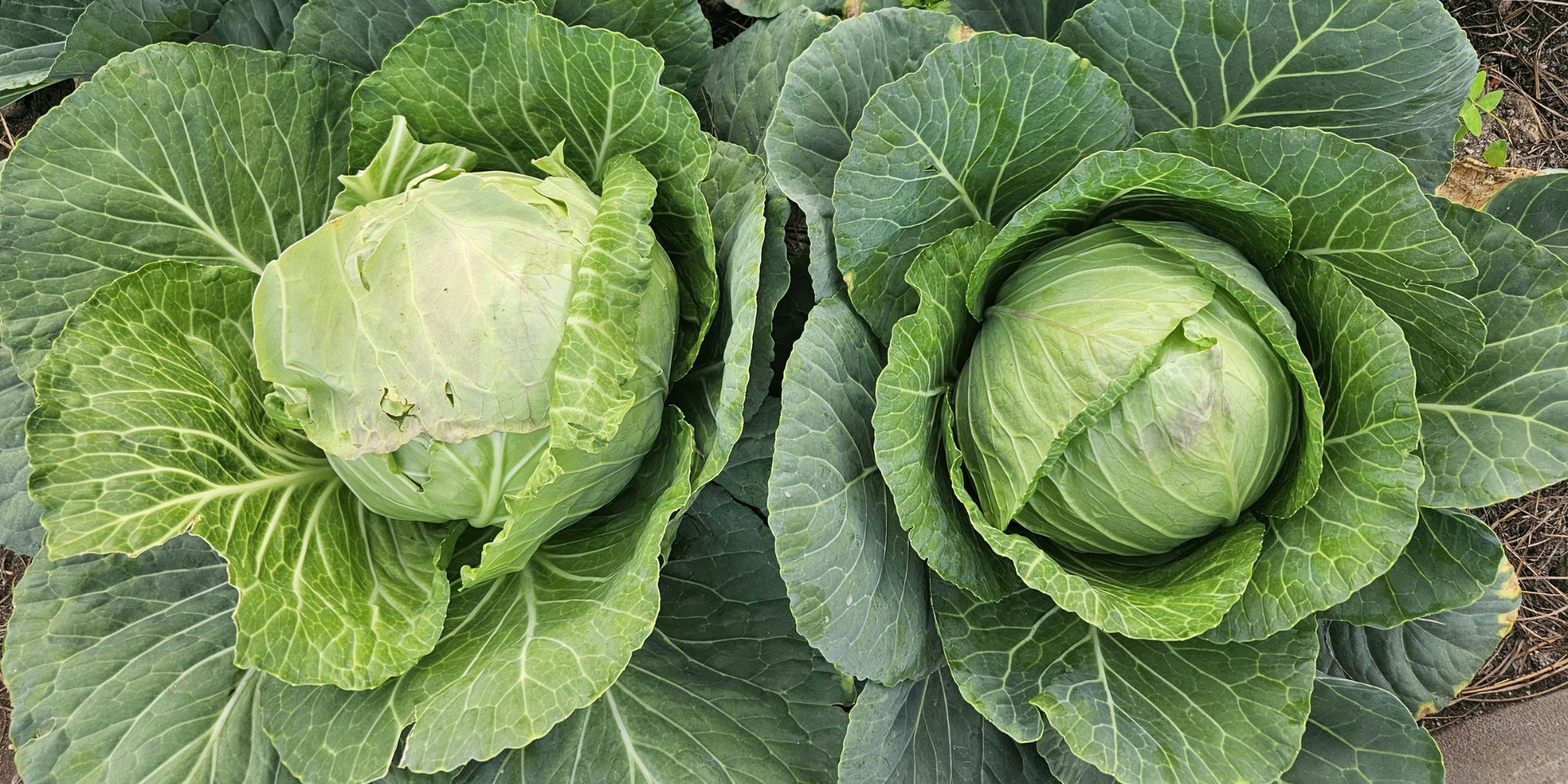
Green cabbage is incredibly versatile—it can be eaten raw, sautéed, roasted, braised, or fermented into sauerkraut.
Cabbage is packed with vitamin C and fibre, and it’s one of the most affordable and long-lasting vegetables you can buy.
Storage: Keep the whole head wrapped in plastic or in a perforated bag in the crisper drawer. It will keep for several weeks. Once cut, wrap tightly and use within a few days.
Prep: Remove the outer leaves and cut out the core before slicing or chopping.
Reduce the smell: If you find cooked cabbage a bit pungent, try cooking it quickly (sauté or stir-fry) rather than boiling it for a long time—or add a splash of vinegar or a pinch of caraway seeds to the cooking water.
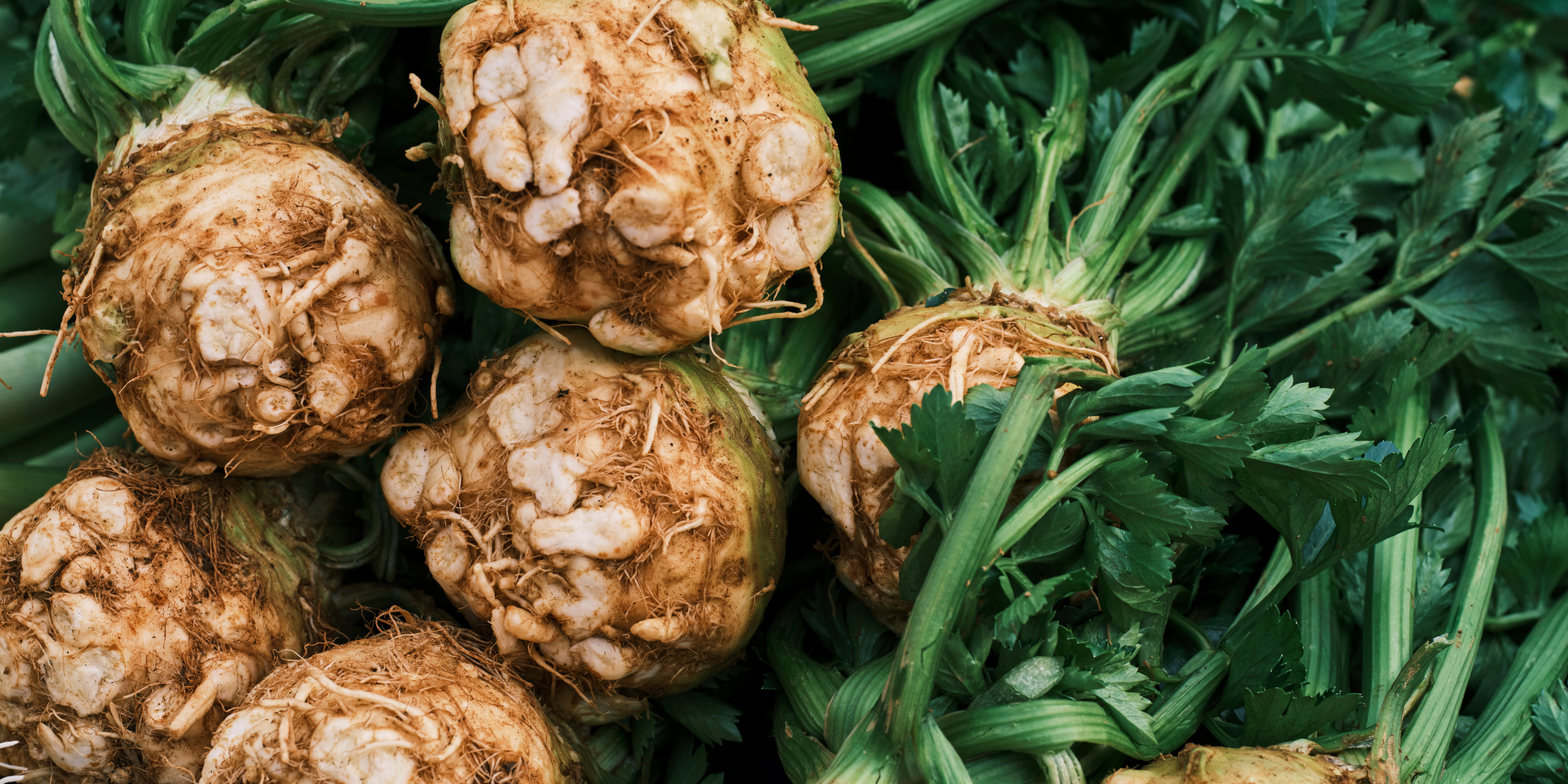
It’s a staple in European cuisine, particularly in French and German cooking, where it’s often used in soups, purées, and remoulade.
Celeriac is low in calories but rich in vitamin K and fibre.
Storage: Store celeriac in a perforated bag in the crisper drawer for up to two weeks. If you’ve cut into it, wrap the remaining portion tightly in plastic wrap and use within a few days.
Prep: Celeriac is tough and knobby, so you’ll need a sharp knife. Slice off the top and bottom, then cut away the thick, knobby skin. Cut the flesh into cubes or slices as needed. To prevent browning, place cut pieces in a bowl of water with a squeeze of lemon juice.
Cooking: Roast it alongside other root vegetables, mash it with potatoes, or purée it into a creamy soup. It’s also delicious raw when thinly sliced or grated into a slaw.