💚 The People Who Came Alongside
Well, here we are. The last week of what I believe was our 14th season.
Never would have got this far if it wasn’t for some special people who chose to come alongside.
For those of you who come to the farm pick up, you most certainly know Karen and Rosie who managed that all summer long. Crazy how much Rosie has grown in three years. Did you know that coming to help was her idea? She asked her mom and dad first and then I received a very earnest letter from a then 8-year-old asking if she could help. Rosie has left us for the fall, something about wanting an education.
All fall, Karen has come early and Carole and Dennie. They have all worked like trojans to make it happen. Breaking down the boxes and getting everything ready.
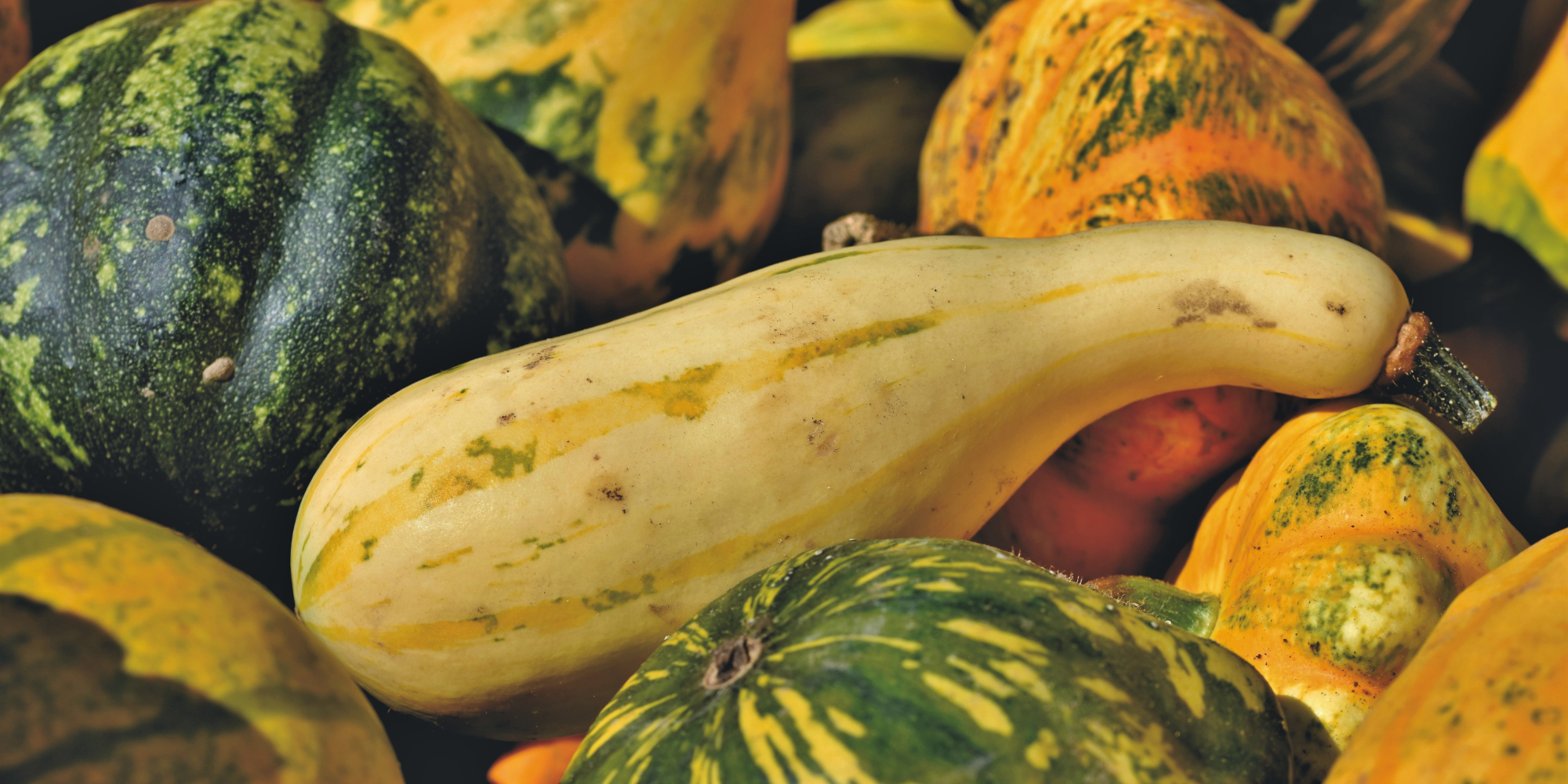
I first met Dennie during that first year of covid. There was a serious frost warning and Bjarke, who was working with me at the time, and I were concerned for our field of squash.
I put a call out on every channel I could imagine and then the two of us just went back to doing all we could do. Within a few hours, first there was one…. then there was a couple…then a whole family. Before long there was a whole gang of folk leaning in, we were taking wagon loads of squash to the safety of the trailer.
It got to be late; the little ones were getting cold and tired. We needed to call it. I made a deal with Bjarke that if I bought him dinner, he would help load the truck for delivery and then I would take him home. It was dark by this time, and we were parked looking out over the field. I saw this large shadow approach and a voice call out, “is it too late now to volunteer?”
Wow.
Dennie and I worked the rest of the night. Me driving the tractor and Dennie walking alongside picking up the squash. By dawn the wagon was groaning under the weight. We pulled a tarp over the huge load to protect it and he went home and I grabbed two hours sleep before I headed out to do the delivery.
Speaking of sleep…I really need to head to bed. I am truly exhausted. Big weekend ahead. Pumpkin pick up tomorrow and then the Ottawa Police Association is having a family day here on Sunday.
I have a heart full of gratitude for all of you who have come alongside and helped make this happen.
Thank you.
~Michael

📝 A Note from the Newsletter Team
This is the last edition of The News Lettuce for the season. Thank you for reading along with us each week—it’s been a joy to share our stories, recipes, and farm updates with you. We’ve even had someone who is moving away ask if they could stay subscribed. (The answer is yes, of course!)
What’s In Your Share This Week
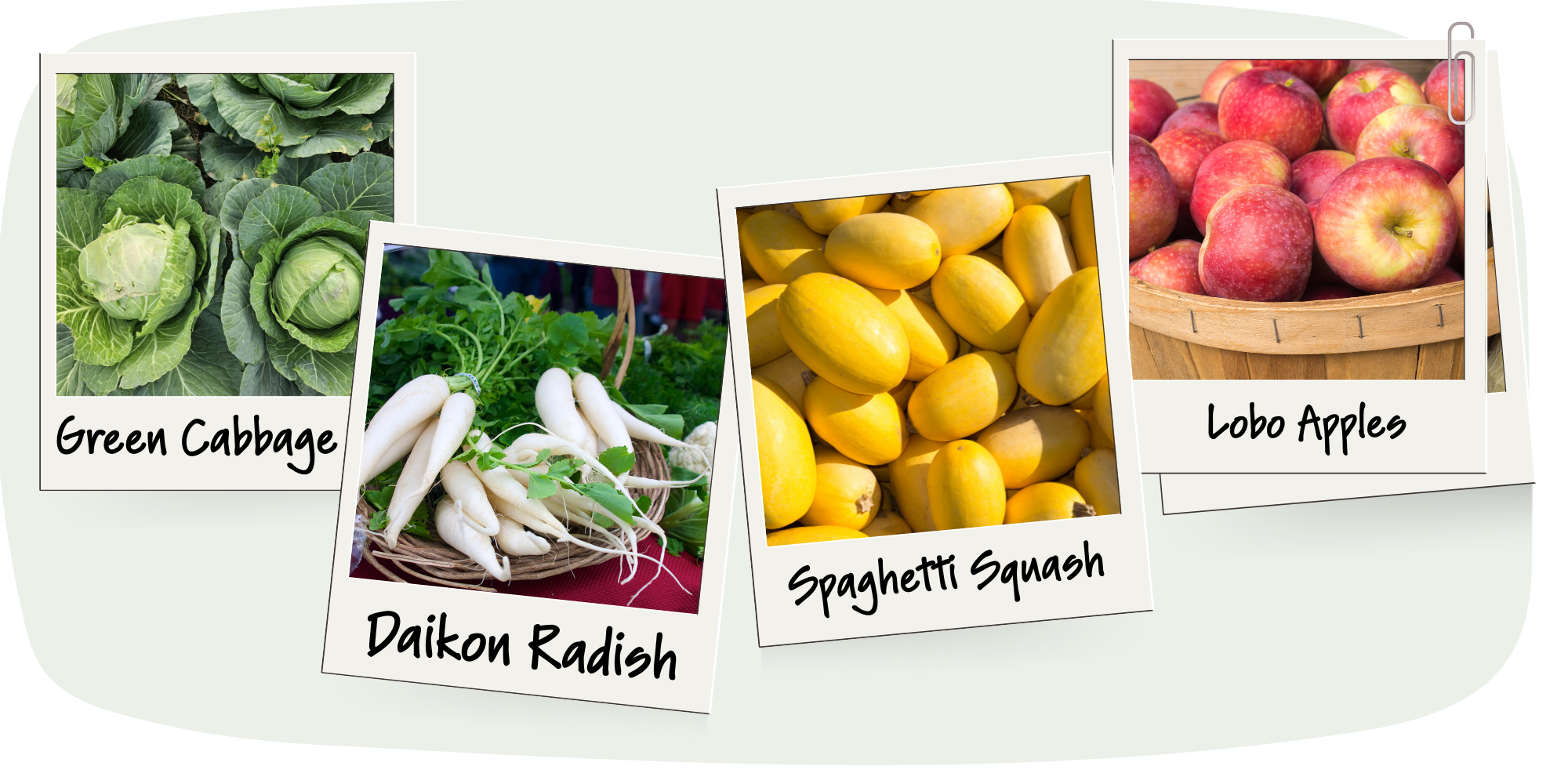
- Lobo Apples
- Topped Beets
- Bunching Onions
- Green Cabbage
- Neptune Carrot
- Celery
- Chives
- Curly Leaf Parsley
- Prizm Kale
- Leeks
- White Button Mushrooms
- Yellow Onions
- Parsnip
- Green Bell Peppers
- Jalapeno Peppers
- Atlantic Potatoes
- Daikon Radish
- Acorn Squash
- Spaghetti Squash
- Thyme
- Purple Top Turnip
Recipe of the Week
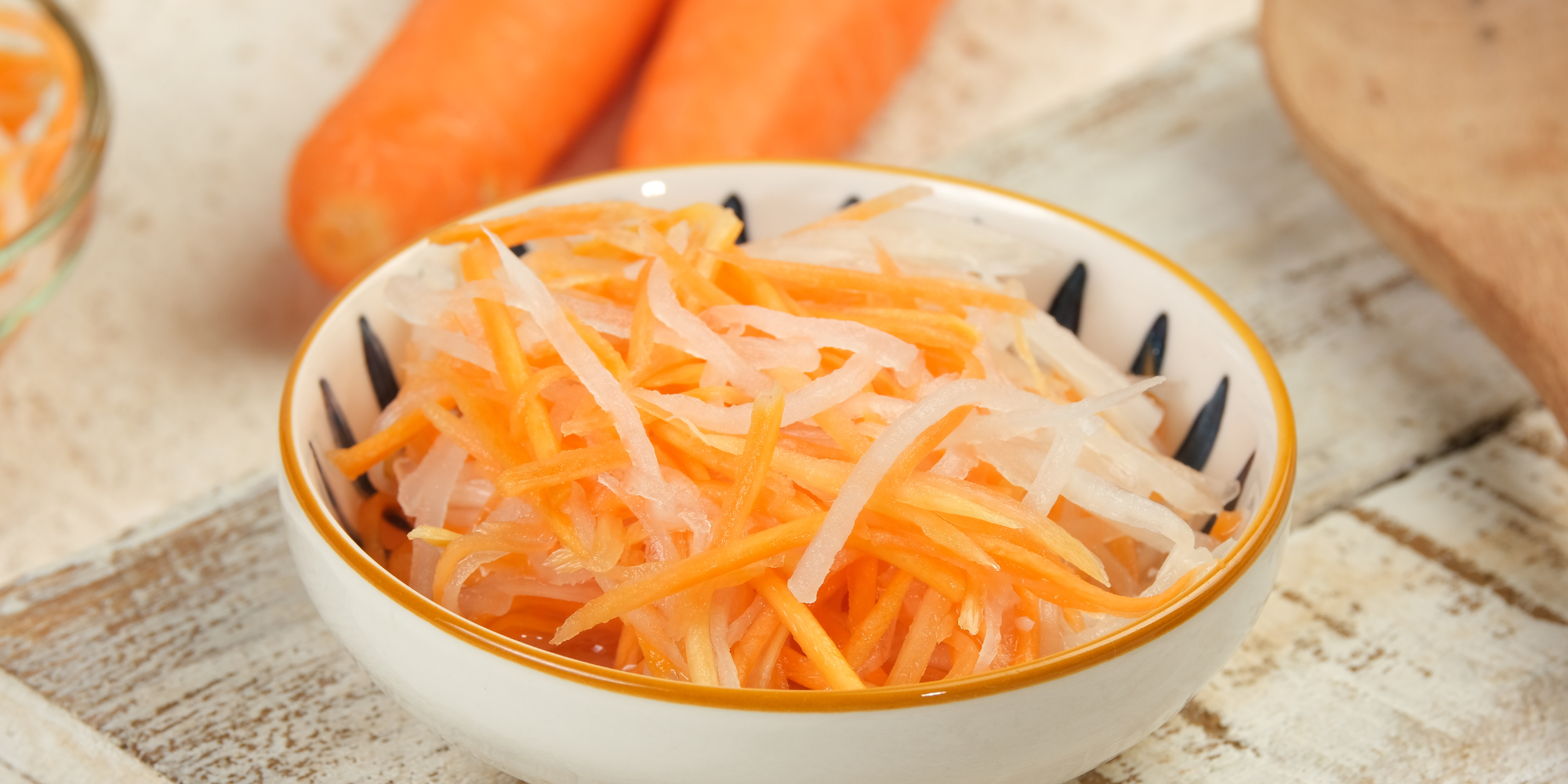
Daikon Amazuzuke (Sweet Vinegar Pickles)
Amazuzuke is a traditional Japanese pickling method that uses a sweetened vinegar brine (called amazu) to create crisp, tangy, and lightly sweet pickles. Unlike fermented pickles, these come together quickly, making them a perfect last-minute side dish or palate cleanser. The daikon stays wonderfully crunchy, and the carrots add a lovely pop of colour. Serve alongside rice, grilled fish, or simply as a refreshing snack.
Ingredients:
- For the Amazu (Sweet Vinegar):
- 1 cup unseasoned rice vinegar
- ½ cup sugar
- 1 tsp kosher salt
- For the Vegetables:
- 8 oz daikon radish
- 3 oz carrot (Neptune carrots work great!)
- 1 tsp kosher salt
- 1 dried red chili pepper (optional, for a little heat)
- ½ lemon
Instructions:
- Make the Amazu: In a small saucepan, combine the rice vinegar, sugar, and 1 tsp kosher salt. Whisk over medium heat until the sugar and salt dissolve and the mixture just begins to boil. Turn off the heat and let it cool to room temperature. (You’ll only need ¼ cup for this recipe, but the rest keeps in the fridge for up to 2–3 months for future batches!).
- Prep the vegetables: Peel the daikon and carrot. Cut them into thin sticks (about ¼-inch thick).
- Salt and drain: Place the daikon and carrot sticks in a plastic bag or bowl. Add the 1 tsp of kosher salt, rub it into the vegetables, and let them sit for 15 minutes. This draws out excess moisture and keeps them crisp. Drain and discard the released liquid.
- Pickle: Add ¼ cup of the cooled Amazu to the vegetables. If using, slice the dried chili pepper (remove seeds for less heat) and add it in. Squeeze the juice of the ½ lemon over everything and mix well.
- Marinate: Let the mixture sit for at least 15 minutes before serving. For a deeper flavour, you can leave it for a few hours in the refrigerator.
Storage: Keep the pickles in a sealed container in the refrigerator. They are best enjoyed within 3 days.

🔍 Spotlight on Daikon Radishes
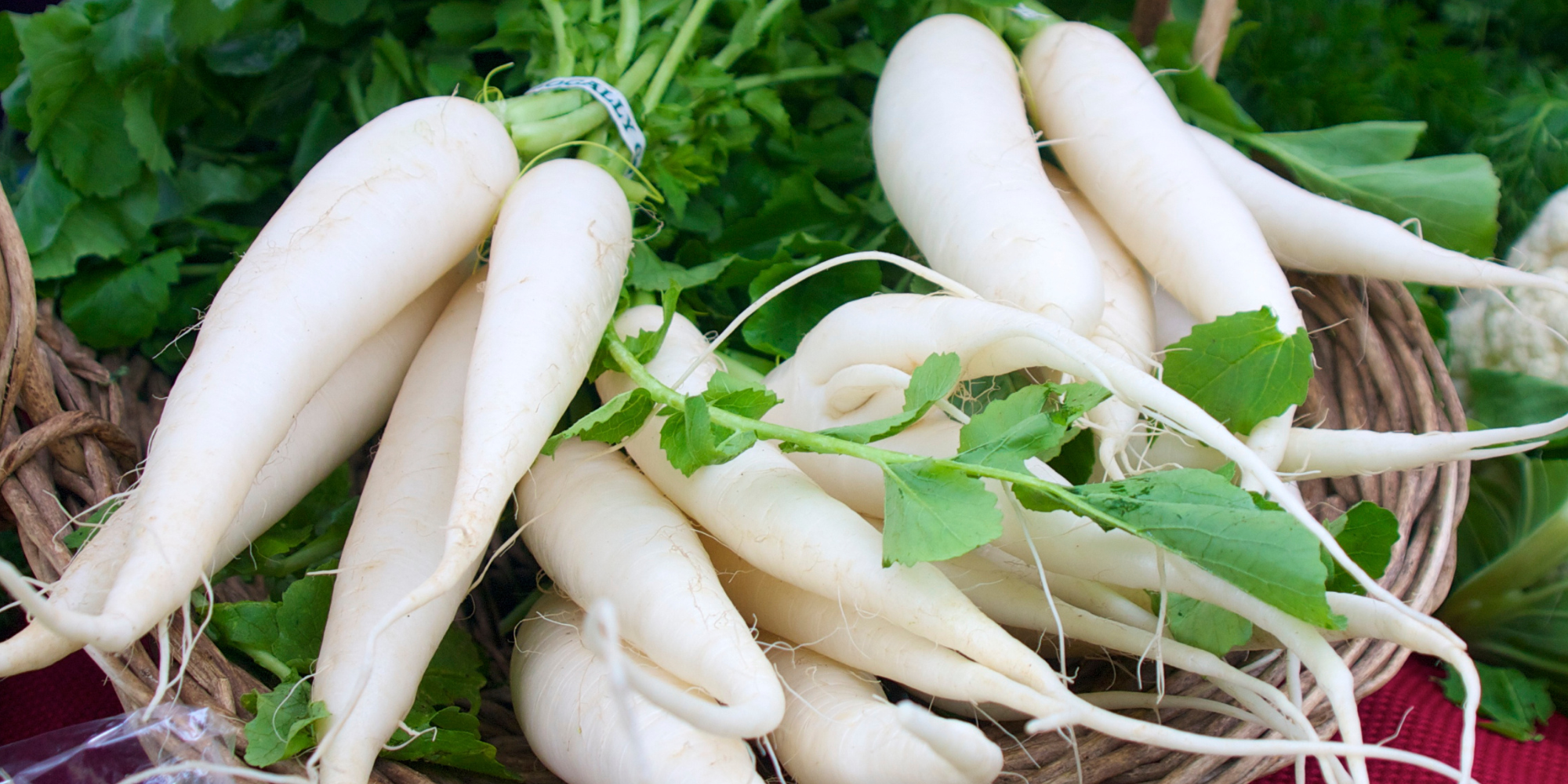
Daikon is a giant white radish that’s a staple in Japanese, Chinese, and Korean cuisine. Its name comes from the Japanese words dai (large) and kon (root)—and it can grow up to 18 inches long and weigh several pounds!
Unlike many radishes, daikon is mild and slightly sweet, with a crisp texture and a gentle peppery finish. It’s incredibly versatile—it can be eaten raw, pickled, roasted, braised, or grated into sauces.
Daikon is rich in vitamin C and fibre, and it’s also a good source of potassium and folate.
Storage: Remove the greens (if attached) and store the daikon in a perforated bag in the crisper drawer for up to two weeks. The greens can be stored separately and used in soups or stir-fries.
Prep: Peel the daikon before using—the skin can be tough. Slice, grate, or julienne as needed. For a milder flavour, soak the sliced daikon in cold water for 10–15 minutes before using.
Cooking: Daikon is wonderful raw (sliced thin in salads or pickled), roasted (cut into chunks and roasted with other root vegetables), or simmered in soups and stews (it absorbs flavours beautifully).
Don’t waste the greens: Daikon greens are edible and nutritious! Sauté them with garlic and olive oil, or add them to soups and stir-fries.